The solar industry is rapidly expanding across Australia, with a demand for qualified installers to meet the growing demand. If you are a licensed electrician, you can become a solar installer by earning your accreditation with Solar Accreditation Australia (SAA) and completing your training with a relevant TAFE or Registered Training Organisation (RTO).
Solar installers are the professionals who install and maintain solar panels for both commercial and residential properties. By becoming an installer, you join a career in high demand, with opportunities to take your valuable skills and experience to different roles. Although it requires a strong understanding of electrical and solar systems, you can join an industry that’s helping to make a positive difference.
What do solar installers do?
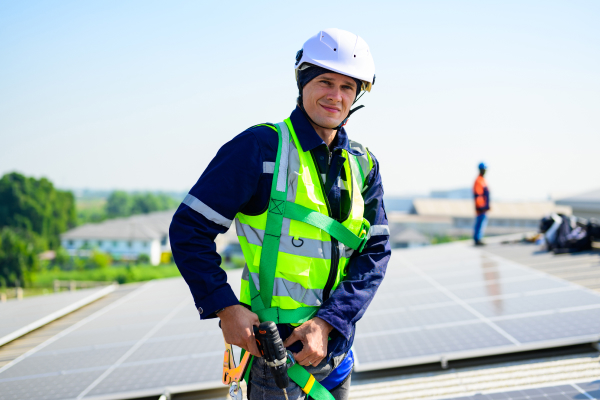
Solar installers are responsible for the installation and servicing of solar panels on buildings and land, to ensure they efficiently convert solar power into renewable energy. Depending on an owner’s preferences, solar installers are responsible for developing an installation strategy for each homeowner's property.
The majority of your work as an installer will be outdoors and at heights. You will take accurate measurements to ensure the panels fit on a homeowner's roof and comply with local regulations. Installers will be trained to use power tools, drills, multimeters, and handle complex electrical systems, to attach and wire solar panels, inverters and batteries. Beyond the installation itself, they perform routine maintenance checks and troubleshoot any potential faults.
Why choose a career as a solar installer?
The solar industry is one of the fastest growing industries in Australia, and can be a great career choice for those looking for a role that’s in high demand, stable and contributes to a cleaner future. For electricians, a career as a solar installer can be viable for the following reasons:
- High demand - While solar energy was previously viewed as an alternative power source, it’s quickly becoming the primary source of energy for people around the world. This growth translates into a strong demand for qualified solar installers, which is projected to continue with 32,000 additional electricians needed to meet renewable targets by 2030.
- Varied opportunities - The solar industry is a vast field, so once you gain experience as a solar installer, you’ll have the opportunity to take advantage of plenty of opportunities in other areas. As a solar installer, you can work on residential, commercial and off-grid projects, or use your technical knowledge and experience to pivot into sales, consultancy or project management.
- A sustainable future - Although growth and varied job opportunities are important, the satisfaction of contributing to a positive future and promoting renewable energy sources is one of the biggest advantages of a career in solar. You can feel proud to work in an industry that’s trying to make a difference, with the installation of solar panels reducing the effects of pollution to stave off the negative effects of climate change.
Essential skills and knowledge
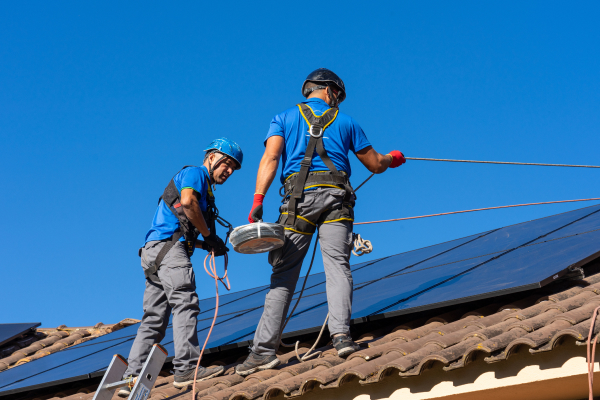
Success as a solar installer requires the development of key technical and soft skills. While technical skills refer to an understanding of how solar systems work and knowledge of laws and regulations, soft skills in teamwork and problem-solving are just as important. The essential skills and knowledge of a solar installer include:
Technical skills
- Understanding of solar systems - You will need to develop a strong understanding of how solar systems work with a deep knowledge of every component. Successful solar installers are familiar with solar panels, inverters, batteries and switchboards.
- Knowledge of electrical wiring and circuit design - To become a solar installer, you will need prior training as an electrician. This means having strong electrical knowledge, with a mastery of terms such as voltage, current, and how circuits are designed and operated.
- Ability to work safely - Because electrical systems are at the heart of your role, solar installers will need a strong understanding of how to conduct their work safely and the varied regulations applicable to them. Because much of your work will be working on rooftops, you will also need a mastery of working safely at heights.
Soft skills
- Strong problem-solving - Faults and issues will occur within solar systems, requiring installers with strong problem-solving skills to quickly identify and troubleshoot these challenges.
- Adaptability - With the solar industry constantly evolving with innovations and technologies, installers will need to remain adaptable to new trends, with a commitment to constantly learning and improving their skills.
- Communication - Solar energy and solar systems can be a challenging concept to understand, with clients expected to understand terms such as net metering, feed-in tariffs and depth of discharge. Successful installers will have the necessary communication skills to explain these concepts simply and effectively.
- Teamwork - You will be required to develop your interpersonal and teamwork skills to thrive. Solar installers typically work in crews of two to five people and will need to coordinate together to ensure a successful installation.
How to become a solar installer in Australia
Becoming a solar installer within Australia can be a complex process that requires the completion of the following steps:
Step 1: Earn your electrical license
Becoming a solar installer requires the completion of an electrical license. This is because electrical systems and equipment are central to your role. To become a licensed electrician, you will need to complete a Certificate III in Electrotechnology Electrician (Apprenticeship) at a TAFE organisation such as TAFE Gippsland. This is a four-year apprenticeship that equips you with all the necessary skills and knowledge to become a licensed electrician.
Step 2: Complete solar training
Once you’ve earned your electrician’s licence, you can now begin your training in solar. This must be carried out by a registered training organisation (RTO) that will teach all the necessary skills and expertise needed to work safely and efficiently as an installer. Visit the Clean Energy Council (CEC) website here for an updated list of RTO’s.
Step 3: Apply for solar accreditation
After completing your required RTO training, you can now apply for provisional accreditation with the CEC. To ensure you move through this step smoothly, prepare all of your required documents for accreditation, including your completed RTO certificate, working safely at heights and electrical license. Once these documents are successfully submitted, you will be provisionally accepted. It should be noted that your accreditation will typically require a small payment. At CEC, you will need to pay $182 for accreditation.
Step 4: Pass online assessment
The final step involves passing an online assessment, which will evaluate your personal knowledge of solar panel systems and your technical competence. The assessment typically takes between 60 and 90 minutes, with a maximum of two hours to complete. Once you pass this assessment, you will receive an email with steps to register for full accreditation. For more information on these steps, visit the Solar Accreditation Australia (SAA) here.
How much money do solar panel installers make?
As a solar installer, you should expect to make an average salary of approximately $106,878 per year or $43.3 per hour based on reported salaries. This salary varies depending on your level of experience, with newly trained installers expected to make approximately $70,000, while SAA-accredited electricians with extensive experience can earn well over $120,000.
Tips for building a successful career as a solar installer
Your journey as a solar installer doesn’t stop once you secure your first role. A successful career requires the continual development of new knowledge and experience, by adding new certifications and staying on-top of new industry trends. We recommend considering the following tips for a successful career:
- Gain more experience - Particularly after you finish your training and certifications, it’s valuable to gain practical experience to get you prepared for your first role. Although learning and reading about solar can be valuable, nothing beats hands-on experience. If you’re finding these steps difficult, try to attend a local workshop or training program or reach out to the support team at TAFE Gippsland here for assistance.
- Upgrade your certification - Solar installers enter a career of continuous learning. To ensure you fully understand all PV-related concepts and technologies to perform your role effectively, we recommend seeking out some extra qualifications to give you a competitive edge. These can include a refresher on working at heights, with short courses such as the Work Safely at Heights - 0417WSH at TAFE Gippsland.
- Join industry networks - We recommend getting yourself involved with industry groups and building a network of fellow solar installers. Staying connected is a great way to take advantage of different perspectives and tips for how to be successful as an installer. The Clean Energy Council events page provides a range of upcoming events and industry conferences where you can meet fellow professionals and learn more about solar.
- Stay informed on the newest trends/technology - The solar industry is constantly evolving, with new technologies and approaches that force installers to remain adaptable and curious. Try to stay informed about the latest trends and innovations by attending industry events, keeping in touch with fellow professionals, and joining mailing lists to receive newsletters from the Clean Energy Council, SolarQuotes, and other relevant sources.
Becoming a solar installer can unlock one of the most rewarding and exciting career paths in Australia. Although it can be a lengthy process, you can join a rapidly growing industry with a wide variety of opportunities to grow. If you’re interested in becoming a fully qualified solar installer, please contact our helpful team at TAFE Gippsland, who can provide all the support you’ll need in your new career.