The renewable energy industry is growing, with graduates and professionals looking for new opportunities in this exciting field. There are a variety of renewable energy jobs available to those with the skills and experience, as well as those looking to upskill from their current role. From working as a solar panel installer to project managers and engineers who can install and maintain different renewable energy systems.
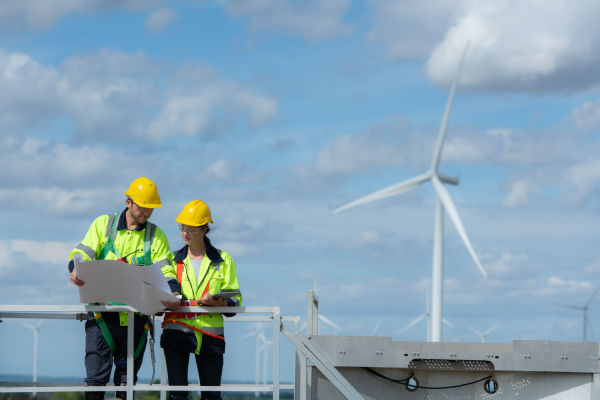
Securing a job in the renewable energy industry can be a great career move due to the growing number of opportunities and the potential to make a positive environmental impact. However, to be successful, you’ll need to already have or develop specific skills such as project management, communication, and a solid understanding of clean energy technologies.
Our article takes a look at some of the various jobs available within the renewable energy industry, as well as the steps you can take to secure your first role.
Why choose a career in renewable energy?
Choosing a career in the renewable energy space can open the door to a career in high demand, with strong job security, dynamic roles and personal fulfilment. We recommend you consider a role in clean energy due to the following reasons:
- Growing career opportunities - With the global workforce continuing to embrace renewable energy, there is a growing number of new opportunities across a variety of sectors to take advantage of. Sustainability projects are expanding across energy, technology, agriculture, and even retail and fashion, with the growth of sustainable materials, meaning there are more opportunities than ever to pursue a career in renewable energy.
- Demand - Demand for clean energy skills is rapidly increasing. Recent reports suggest that mentions of renewable energy-related skills have more than doubled between 2018 and 2023. Mentions of renewable energy skills have also doubled for managers and professionals, with a rise of 80% for technicians and trade workers.
- Job stability and security - Because of the global shift towards renewables, there is a demand for workers who are skilled and experienced. Because this demand is expected to continue growing in line with long-term national and international targets, you can feel confident that your career will remain secure with consistent demand into the future. Especially as renewable energy becomes a greater part of our lives, the industry will be less prone to fluctuations than other careers.
- Technological innovation - The renewable energy sector is constantly growing and evolving, with new technologies and research, meaning there are always opportunities to work on the most cutting-edge tech. Particularly within Australia, we are leading the way when it comes to various technologies, with our research and development sector considered one of the strongest in the world.
- Contribute to making a difference - Some of the biggest challenges our society will face in the near future are tied to how we can improve our environment, with the renewable energy sector playing a major role. Working in renewable energy means you’re contributing to a more sustainable future for our planet and making a real difference. Your efforts can help curb our reliance on fossil fuels and reduce greenhouse gas emissions. Knowing your work is helping create a more sustainable future can be incredibly rewarding.
- Diverse work environment - The renewable energy industry can open the door to a diverse number of opportunities. For example, you may be interested in the design of hydropower systems, or research into new technology, or you may be an electrician looking to install solar panels. This also gives you the opportunity to work with a wide range of experts from around Australia with their own unique skills and experience. From renewable energy engineers to electricians and scientists.
What are examples of renewable energy careers?
Roles in renewable energy are diverse, so it’s important to consider some of the different jobs available to find one that aligns with your skills and interests. The following are six potential jobs for those interested in a career in renewable energy:
- Energy data analyst - $110,000-$120,000 - A data analyst can extract value from information. They use their skills in interpreting data to analyse different renewable energy systems’ performance levels. Their role is crucial for improving the production of renewable energy sources and forecasting future trends to advise on strategies going forward.
- Renewable energy project manager - $140,761 - Project managers oversee the planning, execution and completion of renewable energy projects. With many different stakeholders and professionals working on a single project, managers use their leadership skills to ensure that the project is completed on time and within budget. Managers must have strong communication skills to work effectively with different team members while also leading projects to completion.
- Renewable energy engineer - $140,000 - A renewable energy engineer is responsible for designing and maintaining renewable energy systems. They are typically trained in engineering principles and use this knowledge to improve system designs to make them more efficient and cost-effective. Engineers must also ensure their designs comply with regulations and collaborate with other engineers and professionals.
- Solar panel installer - $107,030 - Solar panels are one of the most popular renewable energy technologies. Therefore, qualified installers are needed to add solar panels to any homeowners or businesses looking to invest in these energy systems. Solar panel installers typically have a background as an electrician, with the job requiring strong electrical knowledge to safely connect panels and perform routine maintenance checks and repairs. They are also responsible for assessing different job sites or rooftops and installing a system that suits a customer’s needs.
- Wind turbine technician - $129,778 - These technicians install and maintain the mechanical machinery used to produce wind energy. In 2024, wind turbines produced approximately 13.4 percent of Australia's electricity, with technicians responsible for installing, repairing and performing routine maintenance checks on their mechanical components. They also conduct remote monitoring on turbines and collect data to ensure they maintain efficiency.
- Sales & marketing - $90,000 - Sales and marketing professionals are responsible for promoting renewable energy products and services to Australians. They use their skills in customer service and sales to develop strategies to reach potential customers, manage relationships with clients and identify new market trends. Their sales expertise is essential for further increasing the adoption of new renewable energy systems for both residential and commercial sectors.
Skills needed for a career in renewable energy
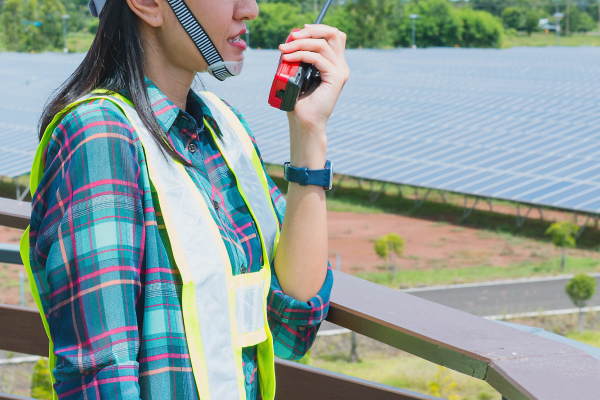
To be successful within the renewable energy industry, you will need to hone specific skills. Importantly, many of these skills you may have developed in other industries could be highly transferable to a career in clean energy, so consider which of them you may need to prioritise to be successful.
While different roles will require different knowledge, the following essential skills will serve you well in your new career:
Technical skills
- Knowledge in technology - It will be important for renewable energy professionals to develop a strong awareness of different clean energy technologies. This is because many roles within the industry require a solid foundation in these technologies, such as solar power, hydro energy, electric vehicles, and even battery storage work.
- Engineering principles - Understanding engineering principles will be fundamental to working within the design and operation of renewable energy systems. Particularly if you are aiming to become a renewable energy engineer, you must have a sound knowledge of the principles of electrical, mechanical, structural, and environmental engineering to contribute to projects.
- Digital skills and data analysis - For professionals working to optimise energy production, they will need digital skills in data analysis. This refers to the ability to interpret, understand and act on data that may have been collected from different renewable energy systems. This allows professionals to improve the reliability and efficiency of these systems and to spot any potential problems.
- Safety and compliance - Within Australia, the renewable energy industry is highly regulated to ensure professionals stay safe. To make sure you stay compliant, having a strong technical understanding of any health, safety and environment regulations will be important.
Soft skills
- Problem solving - The more experience you gain, the more adept you will become at tackling new problems. As demand for clean energy grows and new technologies emerge, professionals must confront a range of challenges that call for creative thinking and technical solutions.
- Project management - Much of the work around renewable energy will be focused on large-scale projects that require careful planning, coordination and execution. Therefore, engineers need exceptional skills in project management to ensure everything is completed smoothly. Particularly as projects grow in scale with significant stakes and investment, leadership and management skills will be highly sought after.
- Communication - Success within the renewable energy industry relies on positive communication. Often, your role won’t be just limited to a single department, so it’s key that you have strong communication skills to enable you to work effectively with different stakeholders and professionals. For example, if you are working on a renewable energy project, this will often require communication between a diverse team of engineers, project managers, scientists and business professionals.
- Adaptability - Being adaptable will be crucial to remaining effective in a rapidly changing and evolving industry. Particularly as more research is carried out into new technologies, there will be a demand for workers who can quickly adapt to these new innovations. Staying connected with fellow engineers and attending industry conferences is a great way to stay on the front foot of any new developments.
How do I get a job in renewable energy?

If working in renewable energy resonates with you, it’s important to understand how you can join the industry.
TAFE Certificate
Pursue a certificate or qualification at a TAFE Gippsland campus where you can receive hands-on experience and develop the skills and knowledge to join the industry. The demand for specialised TAFE certificates has grown with the demand for new renewable energy professionals. To meet this demand, TAFE Gippsland has invested in a new $5 million training centre that will deliver training in sustainable energy technologies.
TAFE Gippsland currently offers a range of courses and qualifications for students looking to be part of the renewable energy industry. For instance, our Certificate III in Electrotechnology (Apprenticeship) provides essential underpinning knowledge in electrical engineering, preparing you for a future career as a technician or solar installer.
TAFE can also be a pathway to university. For example, at TAFE Gippsland, we have formal partnerships with Victorian universities such as Federation University, Swinburne University and Charles Sturt University. These offer guaranteed credit points towards a relevant bachelor's degree, and in some instances, you can also use your TAFE qualification as an alternative entry method to a university degree.
University degrees
Another pathway to getting a job in renewable energy is pursuing a university education. While a bachelor's degree isn’t necessarily required, this can help you gain the necessary skills and experience to stand out from competitors when it comes to applying for a position. Common university degrees focus on areas such as Renewable Energy Engineering, Environmental Science or Mechanical Engineering. For certain higher-level roles, you may also consider a Master's Degree for greater expertise.
Apprenticeships
An apprenticeship or internship will be incredibly valuable for you when it comes to landing your first job. These programs can allow you to gain important exposure and first-hand skills to broaden your knowledge of the renewable energy industry. It also represents a great opportunity to meet other people within the industry and start building up a network of fellow professionals. Impress your employers, and you may even receive a full-time role.
Short courses
Short courses can also be a viable way to join the industry. This can be great for professionals who already have many of the transferable skills needed, and may want to change careers without committing to lengthy study. TAFE Gippsland offers a variety of short courses to support your career in renewable energy. The full list can be found by visiting their website here.
Renewable energy is a growing field with a variety of potential job opportunities. From engineers responsible for designing and maintaining different energy systems, or project managers who are skilled in overseeing construction projects. If you're thinking about a career in renewable energy, reach out to TAFE Gippsland or the helpful Clean Energy Team, who can help support your journey in the new energy space. For more information on clean energy careers, please refer to our course guide here.