Conservation and land management is the strategic planning of how to preserve and manage natural environments. It applies to suburban and rural areas, natural landscapes and marine ecosystems. As a growing field with diverse career opportunities, roles in this field include park ranger, conservation worker, land rehabilitation worker and earthworks conservation worker.

Key aspects of conservation and land management
The main purpose of conservation and land management is to protect the environment and natural resources through sustainable practice. Key aspects of conservation and land management include sustainable land use, ecosystem restoration, wildlife and habitat management.
- Ecosystem restoration: This is the process of assisting in restoring ecosystems that have been damaged by natural events or human activities. The aim is to bring the ecosystem back to its original, healthy state by repairing processes and productivity. Ecosystems in need of restoration may be anything from farmland and forests to mountains, rivers, coastline and oceans.
- Sustainable land use: This involves the management of land resources to ensure they can meet present human needs while taking into account future generations. It ensures that resources are used responsibly by balancing economic, social and environmental considerations. To achieve sustainable land use requires land management practices like conservation agriculture, sustainable water management, and agroforestry.
- Wildlife and habitat management: In conservation and land management, wildlife and habitat management includes ensuring wildlife populations and their environment are protected. This is achieved through controlling invasive species and harmful human activities, preserving and restoring the habitat of wildlife.
- Indigenous land management: This culturally rooted approach to land management involves traditional indigenous knowledge and contemporary practices. This set of practices serves to protect, preserve and promote natural ecosystems and the environment. Indigenous land management is actively used in conservation and land management with Indigenous Protected Areas (IPAs) and Indigenous Ranger Programs.
- Pest and fire management: The practice of pest and fire management is to control the negative effects of pest or fires on humans, property and ecosystems. Pest management controls non native invasive species like animals and weeds from harming the environment. Fire management involves using both constructive methods to prevent wildfires and controlled burns in conservation and land management.
Conservation and land management career paths
- Park ranger: A park ranger is responsible for protecting parks, reserves and other natural and cultural sites. Park rangers duties include protecting the natural environment, identifying threatened or endangered animals or plant species, and controlling weed and pest animals that pose a threat. Park rangers may work in a variety of environments from national and state parks to marine environments, coastal reserves and indigenous protected areas.
- Environmental officer: The role of an environmental officer is to implement and enforce regulations, manage resources and conduct environmental assessments. Environmental officers work to protect endangered species, maintain sustainable and safe habitats for wildlife and undertake projects like bushfire prevention. They are responsible for making sure regulations are being followed to safeguard the environment and can work in national parks, reserves and forests.
- Landcare coordinator: Landcare coordinators are the key contact for landcare groups to build partnerships and support natural resource management strategies. The main role is to encourage community participation in conservation and land management, help with funding applications and represent local landcare interests.
- Indigenous land management worker: An indigenous land management worker delivers land management projects that align with First Nations peoples and integrate traditional methods of conservation and land management with modern technologies. The key role of an indigenous land management worker is to ensure work is conducted properly, engage with the community and build partnerships with Traditional Owners.
- Sustainability manager: As a sustainability manager, the main responsibility is to implement strategies for environmentally sustainable operations that focus on ecosystem health and compliance. Sustainability managers then have to ensure compliance with regulations, monitor environmental impact and report sustainability performance to stakeholders.
- Conservation scientist: A conservation scientist develops and implements strategies to protect the ecosystem. They are scientific researchers who address issues like species conservation and land management by creating conservation management plans based on research data and monitoring.
- Pest management assistant: The role of a pest management assistant is to identify, control and manage pests that are damaging the natural environment. Pest management assistants usually work under a supervisor and require an understanding of biosecurity measures, ecological assessment and how to use control techniques. Pest management assistants may work in a variety of environments including reserves, parkland and rural areas.
- Soil conservation specialist: A soil conservation specialist is a person who protects soil health, prevents erosion and improves water quality through sustainable land management practices. They are professionals who work with farmers, land owners and organisations to assess land use and soil quality, and develop conservation plans.
Skills needed for conservation and land management
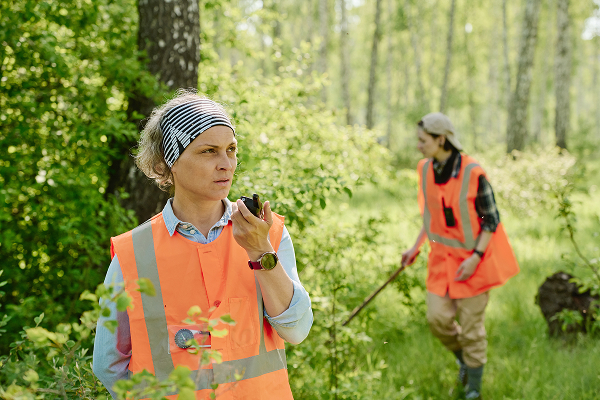
- Outdoor and physical abilities: Conservation and land management work is usually outside and can require physical endurance. Often many of these roles will include standing for long periods of time, walking long distances, digging, lifting or carrying heavy objects.
- Tool and machinery operation: Proficiency in using machinery and tools may be required for some conservation and land management jobs. Roles like being a ranger, forest worker or land rehabilitation worker require heavy machinery and tool capabilities for clearing areas, preparing land, or managing natural resources in a hands-on capacity.
- Verbal and written communication: Many roles in conservation and land management will require verbal and written communication skills. Often these careers include writing reports, collaborating with stakeholders and educating the public and community members.
- Teamwork: The ability to work in a team environment is essential for a role in conservation and land management. Complex issues like land management and sustainability require a diverse range of expertise and data. Collaboration between professionals allows the sharing of information to reach conservation and land management objectives.
- Analytical skills: Solving environmental problems and planning for sustainable outcomes requires analytical skills. Roles like conservation scientists and environmental consultants are required to analyse data from field tests, address issues like habitat and wildlife loss and develop management plans.
- Interest in the environment: For those with an interest in environmental issues, working in conservation and land management is an ideal vocation. It provides the passion and motivation necessary for committing to a career focused on protecting natural resources. A keen interest in the environment helps in the understanding of complex challenges like climate change and habitat degradation.
Conservation and land management courses
There are a variety of pathways to begin a career in conservation and land management. A vocational course at TAFE is the best way to gain hands-on experience and training in this field. They provide hands-on experience using equipment and learning about plants and animals.
Specific conservation and land management courses are:
- Certificate II in Conservation and Ecosystem Management - VDSS
This entry-level qualification is delivered through the VET Delivered to Secondary Schools (VDSS) program. It provides practical skills in native seed collection and propagation, native plant and wildlife identification, and bushland restoration. Students learn about fencing and maintaining structures. This two-year course is a pathway to roles like assistant land management officer, assistant parks and wildlife officer and assistant conservation worker. - Certificate III in Conservation and Ecosystem Management
This one-year course involves hands-on learning both outdoor and indoor in the field of conservation and land management. It gives students specialist training in restoration ecology, biodiversity conservation and taking assessments of natural environments. By the end of the course, students will have learnt how to identify native and introduced flora and fauna, methods for controlling pest animals, and how to use photographs for monitoring and recording information. Career opportunities include indigenous land management, lands, parks and wildlife roles, project firefighters and natural area management. - Diploma of Conservation and Ecosystem Management
This course is ideal for those already working in the conservation and land management sector. It offers the opportunity to advance technical skills for a range of roles within the field. The 18-month course teaches students industry skills and knowledge in designing and developing revegetation and restoration plans, data collection techniques, monitoring techniques and report preparation. Career opportunities from this advanced course include soil conservation specialist, indigenous land manager, environmental officer and park ranger.
Other pathways to a career in conservation and land management include:
- Certificate III in Horticulture
This one-year course is a practical pathway to the horticultural industry. The course involves hands-on learning that enables students to develop and practice skills in plant growth, soils, pests and diseases and provides a strong foundation for a career in conservation and land management. Skills learnt in the Certificate III in Horticulture are transferable to roles in areas like parks, land care and nature reserves. Opportunities for further study after this course include the Diploma of Conservation and Ecosystem Management. - Certificate III in Agriculture
This two-year course is designed for those already working on a farm and offers the opportunity to establish a career pathway in the agricultural industry. The course teaches experience and practical skills in animal health and nutrition, establishing pastures and crops, stock fencing and fertiliser management. By providing a foundation in landcare skills, this course can be a pathway to further learning with a Certificate III in Conservation and Ecosystem Management. - Short Courses in Forest Management
Short courses in forest management can help as a foundational skill for entry level positions in conservation and land management. Courses like Tree Felling, Chainsaw - Trim and Cross - Cut Felled Trees, and Forest Operators Licence equip you with practical knowledge and abilities that can be a starting point for a career in the industry.
Why conservation and land management is important
There are many reasons why conservation and land management is important, particularly in relation to sustainability and conservation of a healthy planet. The main reasons to look at a role in this area include:
- Increased demand for professionals: Conservation and land management is expanding and there is a growing need for professionals in the industry.
- Diverse career opportunities: There are a variety of careers in the conservation and land management sector from working as a park ranger or indigenous land management worker to conservation scientist or sustainability manager.
- A chance to make a positive impact: Working in the conservation and land management industry affords the opportunity to make a difference to the world. Whether you are working to protect an endangered species or save an ecosystem, you are making a positive impact.
Conservation and land management is an important industry that is ever growing and offers diverse career opportunities. Working environments vary from rural landscapes to mountainous regions, coastal areas and marine habitats. To enter this exciting field, TAFE Gippsland has a variety of courses and pathways. Contact the team today to find out more.